The National Human Rights Commission (NHRC) joins the international community in commemorating World Elder Abuse Awareness Day (WEAAD) 2026, observed annually on 15 June, to raise awareness on the abuse, neglect, exploitation, and discrimination faced by older persons across the world.
The Commission notes with concern that many older persons in Nigeria continue to experience various forms of abuse, including physical, emotional, psychological, and financial abuse, as well as neglect, abandonment, harmful traditional practices, and social exclusion. These violations undermine their dignity, well-being, and fundamental human rights.
The Executive Secretary, Dr. Tony Ojukwu, OFR, SAN, has consistently emphasized the need for stronger protection mechanisms for older persons and the recognition of their rights as equal members of society. He maintains that older persons are entitled to dignity, equality, security, and protection under the law, and should be able to live free from fear, abuse, and discrimination.
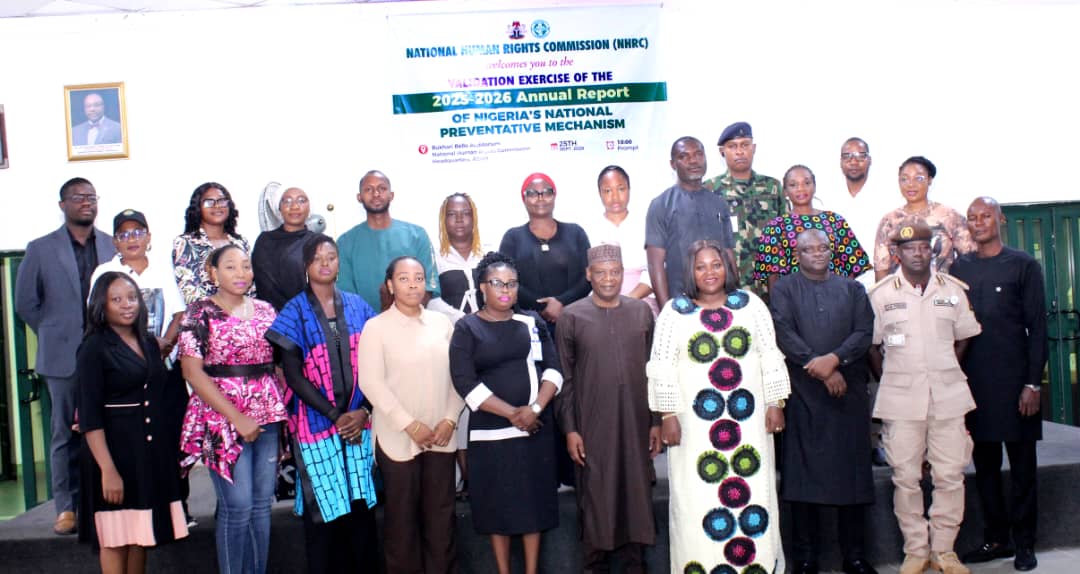
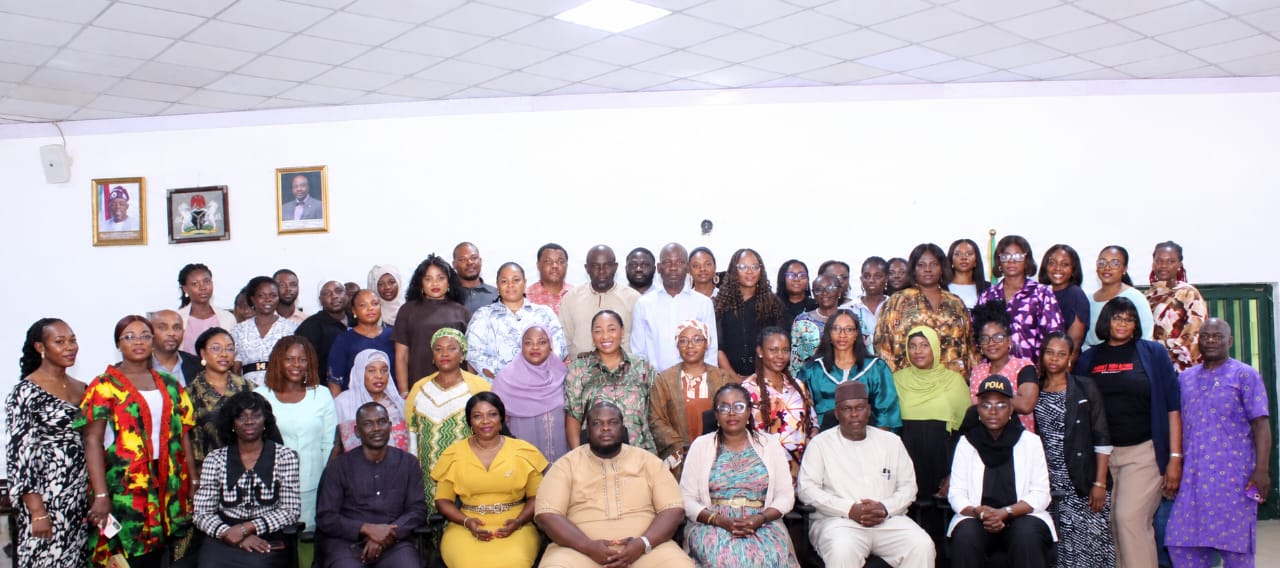
As part of its commitment to safeguarding the rights of older persons, the Commission recently organized a capacity-building programme for its staff to strengthen their ability to identify, investigate, and respond to cases of elder abuse. The training equipped participants with the knowledge and skills required to serve as frontline human rights defenders and advocates for older persons while promoting a rights-based approach to interventions affecting the elderly.
He noted that the increasing population of older persons resulting from improved healthcare and life expectancy requires deliberate efforts to address emerging challenges affecting their welfare and rights. He stressed the importance of strengthening advocacy, enhancing collaboration with stakeholders, and improving protection mechanisms for older persons across the country.
Ojukwu also recognizes the valuable contributions of older persons to national development and expresses concern over the growing levels of poverty, abandonment, social isolation, and vulnerability experienced by many elderly citizens. These challenges demand coordinated responses from government institutions, families, communities, civil society organizations, and the private sector.
At the international level, the Executive Secretary recently participated in the February 2026 meeting of the Intergovernmental Working Group on the Rights of Older Persons held in Geneva, Switzerland, where he advocated for swift action towards the adoption of a legally binding international instrument dedicated to protecting and promoting the rights of older persons.
During the meeting, Dr. Ojukwu raised concerns over the discrimination, negligence, and violence suffered by older persons globally and called for stronger collaboration among governments, National Human Rights Institutions, civil society organizations, older persons, and young people to advance the proposed convention.
He stressed the need to move beyond abstract debates and work collectively towards establishing a globally recognized framework that guarantees the rights and dignity of older persons.
He further advocated for inclusive participation of older persons in decision-making processes affecting their lives, emphasizing the human rights principles of "Leave No One Behind" and "Nothing About Us Without Us." According to him, meaningful engagement of older persons is essential to developing effective policies and programmes that respond to their realities and aspirations.
The legal luminary calls on all levels of government to strengthen legal and policy frameworks aimed at protecting older persons, expand access to healthcare and social protection services, and ensure that perpetrators of elder abuse are held accountable and also urges communities and families to uphold the dignity, respect, and welfare of older persons and to report all cases of abuse, neglect, and exploitation.